Millbank Tower Corporate Flower Subscriptions Guide for Offices
Posted on 26/09/2026
If you work in or around Millbank Tower, you already know the office environment has to do a lot of heavy lifting. It needs to feel polished for clients, calm for staff, and easy to keep looking sharp even when everyone is busy. That is exactly where a Millbank Tower corporate flower subscriptions guide for offices becomes useful. A well-run floral subscription is not just a nice extra. Done properly, it is one of those quietly effective details that changes how a workplace feels the moment you step through the door.
Fresh flowers in reception, meeting rooms, or breakout spaces can soften the hard edges of a corporate interior, add colour without clutter, and give a building a more welcoming rhythm week after week. The trick is choosing the right arrangement style, delivery schedule, and maintenance approach for a busy office, not a hotel lobby fantasy that looks great on day one and becomes awkward by day three. Let's face it, nobody wants a beautiful display that steals time from the team. This guide walks through what corporate flower subscriptions actually involve, how they work in a Millbank Tower office setting, and how to get results that feel professional rather than fussy.
- Why Millbank Tower Corporate Flower Subscriptions Guide for Offices Matters
- How Millbank Tower Corporate Flower Subscriptions Guide for Offices Works
- Key Benefits and Practical Advantages
- Who This Is For and When It Makes Sense
- Step-by-Step Guidance
- Expert Tips for Better Results
- Common Mistakes to Avoid
- Tools, Resources and Recommendations
- Law, Compliance, Standards, or Best Practice
- Options, Methods, or Comparison Table
- Case Study or Real-World Example
- Practical Checklist
- Conclusion
- Frequently Asked Questions
Why Millbank Tower Corporate Flower Subscriptions Guide for Offices Matters
Millbank Tower sits in a part of London where presentation matters. Offices here are often client-facing, shared with multiple stakeholders, or used by teams who spend long hours under fluorescent light, screens, and the usual weekday pressure. In that kind of setting, flowers do more than decorate. They signal care. They say the business pays attention to detail, which is never a bad thing when someone walks in for a pitch, board meeting, or first visit.
A corporate flower subscription is different from an occasional bouquet order. Instead of making a one-off purchase whenever somebody remembers, you build a predictable floral service that fits the office rhythm. Weekly, fortnightly, or monthly deliveries can be arranged to keep spaces fresh without anyone having to chase a florist every time. That predictability is a big reason offices choose subscriptions. It reduces admin, avoids last-minute scrambling, and keeps the workplace looking considered even during hectic weeks.
There is also a subtle wellbeing angle. Offices can feel repetitive. Same desks, same screens, same coffee mug with the tiny chip on the handle. Flowers interrupt that sameness in a good way. They bring colour into a room, and a bit of life too. You do not need a huge arrangement to make a difference. Sometimes a simple vase on a reception counter is enough to change the tone of a morning.
For Millbank Tower offices specifically, practicality matters just as much as aesthetics. Access, timing, front-desk coordination, and security procedures can all affect delivery. That is why the best flower subscription for offices is the one that is designed around the building, the team, and the pace of the business rather than a generic retail model.
How Millbank Tower Corporate Flower Subscriptions Guide for Offices Works
At a basic level, a corporate flower subscription is a recurring floral service tailored to an office's needs. The florist learns what kind of spaces you have, how often you want flowers refreshed, what style suits the brand, and where the arrangements will actually live. Then they create a schedule that keeps things looking balanced rather than overdone.
The process usually starts with a short consultation. In our experience, this is where the useful detail comes out. A reception desk may need one statement arrangement, while a client suite needs something lower, calmer, and less likely to block sightlines. A busy open-plan office may benefit from small, sturdy displays in communal zones instead of large centrepieces that get nudged every five minutes. It sounds obvious, but it is amazing how often this gets missed.
Once the brief is clear, the florist will typically suggest:
- delivery frequency
- vase or vessel style
- colour palette and seasonal themes
- preferred flower types
- budget range
- placement advice for reception, meeting rooms, or breakout areas
Some offices want a strict brand match. Others prefer a softer, seasonal style that changes through the year. Both approaches work. The main thing is consistency. If the flowers are meant to support a premium office image, then the quality of stems, condition on arrival, and presentation all matter. A slightly awkward bunch in a nice vase is still a slightly awkward bunch.
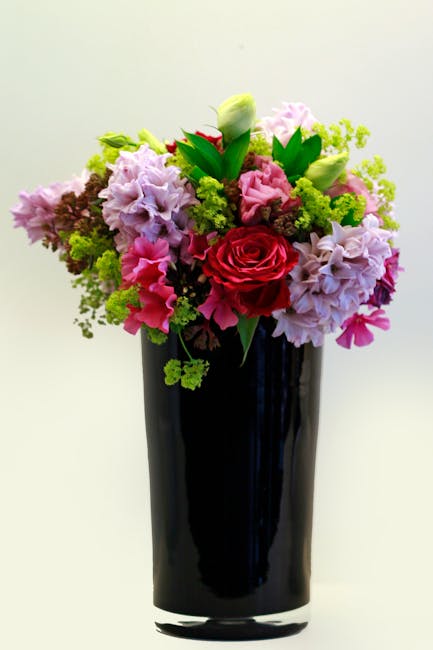
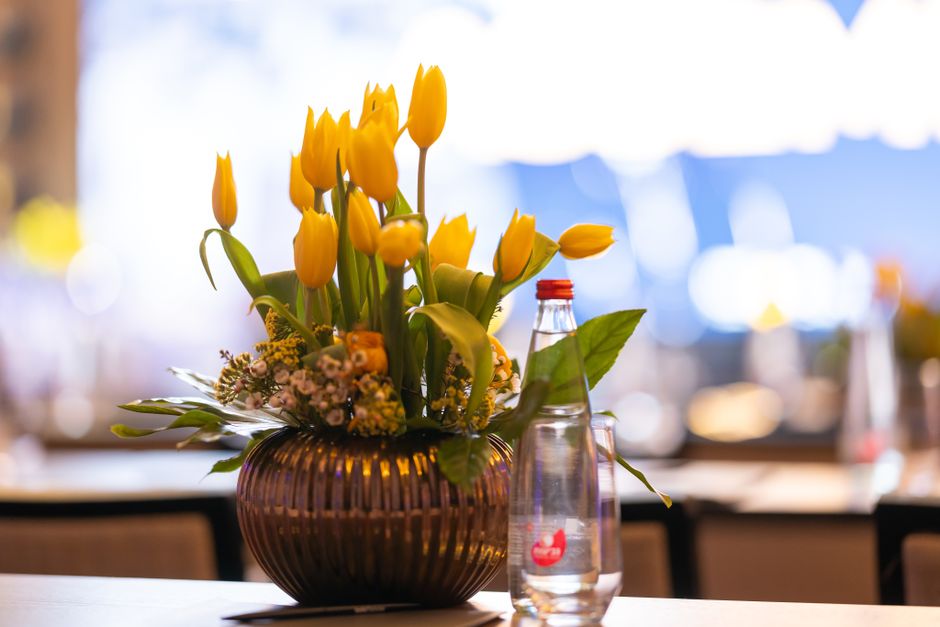
Subscription services often include rotation, which means arrangements can be adjusted over time to keep them fresh visually. That might mean moving from spring tulips to summer mixed blooms, then to deeper autumn tones. If the office receives regular client traffic, this seasonal variation can make the space feel alive rather than staged.
For a Millbank Tower office, it is wise to think about building logistics too. Delivery windows, concierge or reception handover, and lift access can all influence service flow. A good florist will work with those realities rather than pretending office life runs on a tidy little schedule. It rarely does.
Key Benefits and Practical Advantages
The obvious benefit is visual appeal, but the practical advantages go further. A well-managed floral subscription supports the office in several quiet ways that add up over time.
1. A stronger first impression
Reception areas set the tone before anyone says a word. Fresh flowers give the impression of upkeep, care, and professionalism. That first impression matters whether you are welcoming clients, candidates, investors, or visiting colleagues. People notice more than they say out loud.
2. Less admin for the team
One-off flower orders create little pockets of work. Someone has to remember to reorder, compare options, organise delivery, and hope the flowers arrive in good shape. A subscription removes most of that pressure. The office gets a regular service, and the team gets one less thing to juggle.
3. Better consistency
A recurring floral service keeps standards steady. You are not relying on memory or improvisation, which is where office presentation often starts to wobble. Consistency is especially important in shared commercial spaces where brand image and client experience matter.
4. Seasonal interest without effort
Seasonal flowers keep the environment from feeling flat. In winter, richer tones can bring warmth. In spring, lighter blooms can lift the room. You do not need to overthink it. The florist should do the heavy lifting while you enjoy the result.
5. Small morale boost for staff
There is something quietly reassuring about an office that looks cared for. It does not solve workload or deadlines, of course, but it can make the environment feel more humane. A fresh arrangement near a coffee point or collaboration area can make a space feel less sterile. That matters more than people admit.
6. Flexible scaling
Subscriptions can often be scaled up or down depending on the season, office occupancy, or special events. If you are hosting a client lunch or a board meeting, you may want more decorative impact. In quieter months, you might want a simpler setup. Flexibility is useful. Very useful.
Expert summary: The best corporate flower subscriptions are not the biggest ones; they are the ones that match the space, the pace, and the purpose of the office. In a place like Millbank Tower, that usually means clean presentation, reliable delivery, and arrangements that look elegant without demanding attention.
Who This Is For and When It Makes Sense
Corporate flower subscriptions are not just for huge firms with glossy reception desks. They can make sense for all sorts of offices, especially if appearance and client experience play a meaningful role in the day-to-day business.
Suitable for:
- law firms and professional services offices
- finance and investment teams
- consultancies and agencies
- co-working operators
- property and real estate offices
- executive suites and meeting spaces
- hospitality or private client environments
It also makes sense if your office regularly hosts visitors. If clients come in often, the flowers become part of the brand experience. If the space is mostly internal, they still help, just in a more subtle way. You may not need a dramatic statement piece. A compact arrangement in the right location can do the job nicely.
There are also moments when a subscription is especially practical. New office fit-out? Flowers can soften the hard edges of a new interior. Moving into a building with a high-end lobby? Matching that tone with thoughtful florals can make your own floor feel more cohesive. Need to improve reception while you figure out the broader redesign? Flowers are a flexible, low-commitment fix.
On the other hand, if your office has very little footfall, no client-facing areas, or extremely limited maintenance capacity, a subscription may be too much. In that case, a simpler occasional delivery might be enough. Truth be told, not every office needs a standing floral programme. The right answer depends on how the space is used.
Step-by-Step Guidance
If you are setting up flowers for an office in Millbank Tower, a straightforward process works best. Keep it simple at the start. Then refine once you see how the arrangements behave in the space.
- Assess the office space. Walk through reception, meeting rooms, client areas, and communal spaces. Look at light, traffic, table size, and where flowers will not get knocked over or hidden behind a laptop.
- Set the purpose. Decide whether you want to impress clients, brighten staff areas, support brand image, or all three. Each aim points to a slightly different style of arrangement.
- Choose a delivery rhythm. Weekly delivery suits busy, high-visibility areas. Fortnightly or monthly may be enough for smaller offices or lower-traffic rooms.
- Agree a style direction. Modern, classic, seasonal, minimalist, or luxury. A clear direction prevents the displays from feeling random.
- Pick practical containers. Sturdy vases or low arrangements often work better than tall, delicate designs in office environments. No one wants to reach around a huge bouquet to sign a visitor book.
- Confirm logistics. Delivery time, reception contact, building access, and any security requirements should be sorted in advance.
- Review after the first few deliveries. Ask what is working, what is not, and whether the flowers are lasting well in the light and temperature of the office.
A useful tip here: ask the florist for a mix of dependable stem types and occasional seasonal variation. That way the office keeps a consistent look, but the displays do not become dull. A little repetition is fine. Too much and the arrangement starts to feel like office wallpaper.
If you want a broader corporate setup with invoicing and repeat ordering, it may be worth looking into corporate accounts alongside the subscription itself. That can make procurement and billing much easier for office managers who already have enough admin on their plate.
Expert Tips for Better Results
A good floral subscription is often won or lost in the details. Here are the things that usually make the biggest difference in an office setting.
- Choose flowers that hold up well indoors. Offices can be warm, dry, or a bit unpredictable with air conditioning. Varieties that last well in these conditions will save everyone hassle.
- Keep reception arrangements lower if visibility matters. Tall displays can look impressive, but they should never block sightlines or make signing in awkward.
- Use seasonal colour wisely. A muted palette works well in formal spaces. Brighter tones can suit creative teams or less formal meeting areas.
- Match the scale to the room. A compact conference room needs restraint. A large reception can carry a stronger statement piece.
- Plan for busy weeks. If there is a product launch, board visit, or client event coming up, schedule an arrangement that feels slightly elevated for that period.
- Talk to the florist about flower care. Even the best arrangement benefits from a quick top-up of water and a little attention. See the basics on flower care.
One small but often overlooked point: ask who in the office is actually responsible for the flowers. If nobody owns the task, even a beautiful subscription can become a muddle. Not dramatic. Just messy. And messy looks avoidable, which is the worst kind of messy in a polished workplace.
Also, if your team likes variety, consider occasional themed switches rather than constant reinvention. A fresh spring palette, a slightly richer autumn scheme, or a brighter summer arrangement can be enough to keep things interesting without creating extra decision fatigue.
Common Mistakes to Avoid
Office flower subscriptions sound easy, and they can be. But a few predictable mistakes tend to crop up again and again. The good news is they are all avoidable.
Ignoring the space
A display that looks good online may be wrong for the actual office. If the arrangement is too large, too tall, or too scented for a meeting room, it will become a problem rather than a feature.
Choosing style before function
It is tempting to pick whatever looks most glamorous. But a corporate environment needs flowers that last, travel well, and fit the setting. Style matters, yes, but function comes first.
Forgetting delivery timing
In a building like Millbank Tower, access and timing can matter more than people expect. Deliveries that arrive at the wrong time can create delays or unnecessary admin for reception.
Overcomplicating the brief
Sometimes people try to create a florist version of a brand strategy deck. Helpful? Not always. A clear palette, a delivery schedule, and a placement plan are usually enough to start. Keep it workable.
Not reviewing the service
What looks right in week one may not suit week five. Flowers can be adjusted over time. That is part of the point. If the office is too warm, or the arrangement is being moved around, the florist should know.
Using scent too aggressively
Strongly scented flowers can be lovely in the right place, but they are not always ideal in meeting rooms or shared workspaces. A subtle fragrance is usually safer in corporate settings.
Tools, Resources and Recommendations
You do not need a complicated system to manage office flowers well, but a few simple tools and habits make life easier.
- A recurring calendar reminder for delivery dates, layout reviews, and any special events
- A short office brief that records preferred colours, container styles, and no-go flowers
- One named contact for deliveries, invoicing, and changes to the schedule
- A simple feedback loop so reception or facilities staff can flag issues quickly
- A small storage spot for spare vases, cards, or care notes if needed
For offices that want a quick, gift-style option alongside regular subscriptions, useful categories can include corporate gifting for clients or staff, florist choice for flexible arrangements, and flowers in a vase when low-maintenance presentation is the priority.
If you are comparing products for different office moments, it can also help to think in terms of use case. A reception display is not the same thing as a thank-you arrangement for a team room, and neither is the same as a seasonal feature in a client lounge. Simple, practical distinctions like that save time and keep expectations realistic.
Law, Compliance, Standards, or Best Practice
Flower subscriptions are not heavily regulated in the same way as some workplace services, but office managers should still think about best practice. In a commercial building, practical responsibility matters. That means considering access, safety, hygiene, and any building rules that apply to deliveries and shared spaces.
For example, flowers should not create trip hazards, block emergency routes, or interfere with access to desks, signage, or shared facilities. Water spills should be handled quickly. Containers should be stable enough for the surface they sit on. These are ordinary workplace considerations, but they are worth saying out loud because small details become annoying very quickly if ignored.
If you are placing flowers in a reception or meeting space, think about allergies and scent sensitivity too. There is no need to be overly cautious or clinical about it, but a balanced approach is sensible. Mildly scented or low-scent flowers often work well in offices where different people share the same air all day.
You may also want to align the subscription with internal procurement standards, supplier approval processes, or sustainability preferences. If your business has environmental commitments, ask about seasonal sourcing, waste reduction, packaging, and stem longevity. The sustainability page can be a helpful starting point if you want to understand how those concerns are handled more broadly.
For business terms, billing, refunds, and delivery expectations, it is always sensible to check the site's terms and conditions, delivery, and returns and refund information before committing to a regular service. That is not glamorous, admittedly. But it is the boring bit that keeps things smooth later.
Options, Methods, or Comparison Table
Different offices need different floral approaches. A subscription is not automatically better than every other option; it is simply the most efficient choice when you want regular, reliable presentation. Here is a simple comparison to help you choose.
| Option | Best for | Pros | Limitations |
|---|---|---|---|
| Flower subscription | Reception, meeting rooms, ongoing office presentation | Consistent, low-admin, easy to refresh, good for brand image | Needs a clear brief and regular review |
| One-off delivery | Events, ad hoc client visits, occasional gestures | Flexible, quick to arrange, useful for special occasions | Less consistent, more manual effort over time |
| Seasonal refresh only | Smaller offices or lower-footfall spaces | Low commitment, manageable budget, simple upkeep | Less visual impact, not ideal for client-heavy spaces |
| Gift-style arrangements | Staff recognition, thank-yous, welcome gestures | Personal, flexible, useful for internal culture | Not designed for ongoing office styling |
If you want something recurring and polished, the subscription route is usually the best fit. If you only need flowers for special meetings or one-off office moments, then occasional delivery may be enough. You do not need more complexity than the office can actually use.
Case Study or Real-World Example
Here is a realistic example based on a typical Millbank Tower office scenario. A professional services team moves into a newly refurbished suite with a reception desk, one main meeting room, and a small breakout area. The space looks clean and modern, but also a bit hard around the edges. Plenty of glass, muted walls, the usual polished London office feel.
At first, the team orders flowers only for client days. The results are fine, but inconsistent. One week there is a dramatic bouquet that blocks the reception sign-in book. Another week there is nothing at all. It feels a bit stop-start, and the office manager is tired of chasing it.
They switch to a subscription with three simple rules: one low arrangement for reception, a smaller display for the meeting room, and a seasonal palette that changes every month. The florist delivers on a fixed schedule, labels the handover clearly, and keeps the style consistent with the office design. After a couple of cycles, the team notices the difference. Reception looks calmer. Visitors have a better first impression. Staff stop treating the flowers like a novelty and start treating them like part of the room.
Nothing dramatic happened. No grand transformation. Just a cleaner, more dependable result. And honestly, that is usually what office flowers should do. They should fit the rhythm of the place and make everything else feel a bit more put together.
Practical Checklist
Use this checklist before you set up or renew a corporate flower subscription for a Millbank Tower office.
- Have you identified the exact spaces where flowers will sit?
- Do you know the main purpose: client impression, staff wellbeing, or both?
- Have you agreed a budget and delivery frequency?
- Is there one named office contact for deliveries and changes?
- Have you checked access, reception procedures, and timing requirements?
- Are the flower sizes suitable for desks, counters, or meeting tables?
- Have you considered scent sensitivity and practical maintenance?
- Do the colours suit the office branding or interior design?
- Is there a simple plan for feedback after the first few deliveries?
- Have you reviewed the supplier's service terms, delivery expectations, and sustainability approach?
Tick those off, and you are already ahead of most offices. Not a bad place to be.
Get a free quote today and see how much you can save.
Conclusion
A strong office flower subscription in Millbank Tower should feel effortless once it is in place. The best versions are not loud or overdesigned. They are calm, reliable, and well matched to the building, the people, and the way the office actually works. That is the real value here: not just flowers, but a small system that helps the space feel professional, human, and cared for.
If you are weighing up whether to invest in a subscription, start with the practical questions. How often do visitors come in? What does the office want to signal? Who will manage delivery? Where will the flowers sit? Once those are clear, the rest becomes much easier. And if you get the brief right, the office will look better almost immediately. Quietly better. The best kind.
There is something genuinely satisfying about that. A room changes when fresh flowers arrive. The light feels different for a moment, the desk looks less hard, and the day starts with a small lift. Sometimes that is enough.
Frequently Asked Questions
What is a corporate flower subscription for an office?
It is a recurring flower service designed for workplaces, usually with regular delivery, a consistent style, and arrangements suited to reception areas, meeting rooms, or communal spaces.
Is a flower subscription suitable for a Millbank Tower office?
Yes, especially if the office receives visitors, wants a polished first impression, or needs a low-effort way to keep shared spaces looking professional.
How often should office flowers be delivered?
That depends on the space and usage. Weekly delivery works well for busy, client-facing areas, while fortnightly or monthly can suit smaller offices or lower-traffic spaces.
Which flowers work best in a corporate setting?
Flowers that travel well, last indoors, and suit the office environment tend to work best. Many businesses prefer seasonal mixed arrangements, roses, lilies, alstroemeria, chrysanthemums, or florist-choice designs depending on the space.
Do corporate flower subscriptions require much maintenance?
Usually not much. A simple water top-up and basic care is often enough, but the exact level of upkeep depends on the vase style, flower types, and office temperature.
How do I choose the right size arrangement for reception?
Start with the surface size, traffic flow, and visibility. A reception arrangement should look welcoming without blocking sightlines, paperwork, or visitor interactions.
Can flowers be customised to match company branding?
Yes. Many office subscriptions can be tailored to suit brand colours, interior design, seasonal preferences, or a specific tone such as classic, modern, or luxury.
What should office managers check before ordering?
They should confirm delivery access, timing, placement, budget, named contacts, and any building rules that could affect handover or display location.
Are scented flowers a good idea in offices?
Sometimes, but not always. Mild fragrance can work well in reception spaces, while meeting rooms and shared work areas are often better with low-scent choices.
How do I know if a subscription is better than one-off flower orders?
If you want regular presentation, less admin, and a consistent office look, a subscription is usually the better choice. If you only need flowers for occasional events, one-off orders may be enough.
Can corporate flower subscriptions support sustainability goals?
They can, depending on the supplier and the choices made. Seasonal flowers, thoughtful packaging, and reduced waste all help. It is worth asking about the florist's sustainability approach before you commit.
What happens if the flowers arrive at a bad time or the office is closed?
That should be clarified in the service terms. A good supplier will outline delivery expectations and the process for missed or delayed handovers so there are fewer surprises later.